

Blog
What Temperature Should a Water Heater Be Set At?
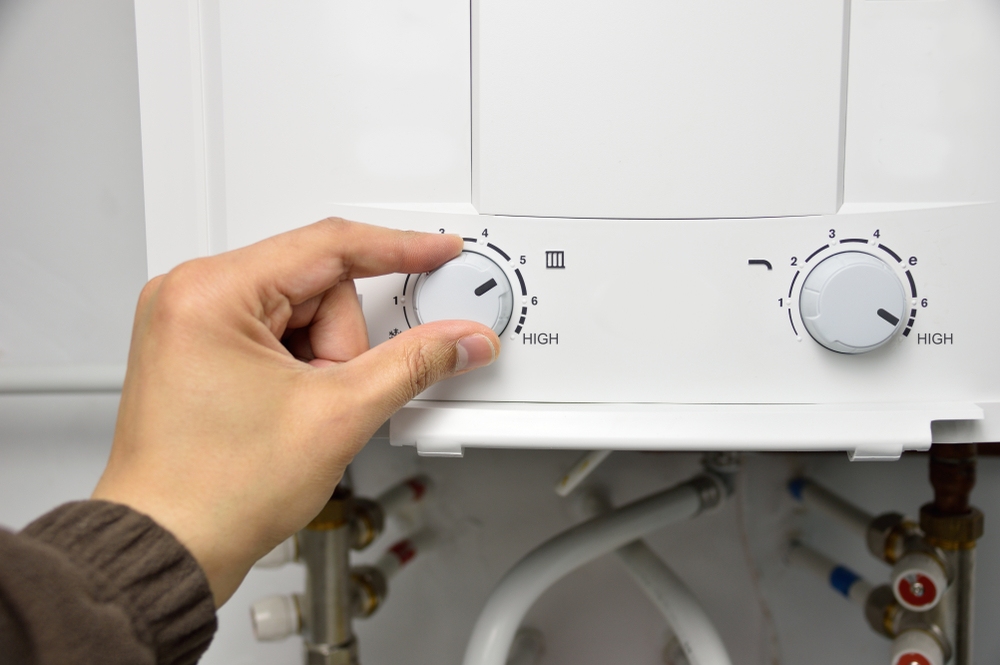
If you own a water heater in Greenville, most experts recommend setting the temperature to around 120°F. This temperature balances safety, energy efficiency, and comfort.
That said, the ideal water heater temperature can vary depending on household size, usage patterns, and specific plumbing needs. When in doubt, it is best to schedule an in-home assessment from Corley Pro to ensure optimum performance and comfort.
Always ensure the proper balance of safety, health, and energy considerations. Setting the temperature too high increases the risk of scalding, particularly for children or older adults. On the other hand, too low a setting can allow harmful bacteria, such as Legionella, to proliferate, posing health risks.
Of course, lower temperatures reduce energy consumption and lower your utility bills. But it’s important to achieve the right balance by evaluating your family’s needs, appliance type, and local climate factors.
Standard Recommendations for Water Heater Temperature
As mentioned previously, most industry and health authorities recommend 120°F as a general starting point. This temperature is hot enough to meet everyday household needs while minimizing scalding risk and keeping energy costs manageable.
Some guidelines suggest a minimum of 130°F in households with immunocompromised residents. This can help limit bacterial growth in the water.
Keep in mind that many manufacturers ship their units with the hot water heater settings at around 140°F. Although this temperature ensures that hot water is available almost immediately, it’s higher than most families typically need. Adjusting the hot water temp down to 120°F can reduce energy bills without compromising comfort.
Remember that “one-size-fits-all” generally doesn’t work for all households. In older Downtown homes with longer pipe runs or West End homes with multiple bathrooms, adjustments to the water heater temperature setting may be necessary for optimum performance.
How to Check and Adjust Your Water Heater Temperature
If you wish to check and adjust your water heater yourself, here are the steps required:
- Test the water at a tap using a thermometer to measure the current temperature.
- For electric heaters, turn off the power, remove the access panel, and adjust the thermostat to the desired setting.
- For gas heaters, shut off the gas, locate the thermostat dial, and adjust the water heater temperature. Homeowners should also consider testing the gas valve to ensure proper operation.
If you are unsure or uncomfortable making these adjustments, it is best to schedule a visit from a licensed plumber.
In addition to preventing mishaps, a site visit also allows you to request water leak repair if leaks are detected during inspection. And if you are debating the relative merits of a gas vs. electric water heater, our technicians can make the appropriate recommendations.
Best Water Heater Temperature by Household Type
Again, the ideal water heater temperature varies according to the household’s needs. But in general, you can safely go by the following rules:
- Homes with young children or older adults: Around 120°F to prevent scalding.
- Households with immunocompromised occupants: Higher storage temperatures plus mixing valves may be required, but only with professional supervision.
- Large families or high hot water demand: Slightly higher settings may be used, but be sure to minimize scalding risk by using proper controls and fixtures.
These guidelines provide a general framework, but a professional inspection from Corley Pro is advisable for fine-tuning settings. We also offer water heater repair in Greenville and maintenance work if necessary.
Tank vs. Tankless Water Heater – Does the “Right” Temperature Change?
Tank water heaters store a set amount of hot water, while tankless water heaters heat water on demand. Both can be set to similar water-heater temperature ranges, though tankless units often offer more precise digital control.
Choosing between tank vs. tankless water heater systems depends on household usage, available space, and energy considerations. In neighborhoods like North Main, the Eastside, and Augusta Road, for example, the smaller crawl spaces can affect installation and insulation requirements.
Corley Pro installs and services both tank and tankless water heaters for Greenville and Upstate SC homeowners. It’s only one of our many professional water heater services that ensure consistent temperature control.
Signs Your Water Heater Temperature (or System) Needs Attention
Look for these warning signs that your system may be due for repair or replacement:
- Water that is suddenly too hot or too cold
- Fluctuating temperatures
- Rust-colored water
- Running out of hot water quickly
These symptoms can indicate thermostat issues, sediment buildup, failing elements or burners, or a water heater that is nearing the end of its life. Our specialists can assess your system and make the appropriate recommendations for water heater repair, maintenance, or full replacement as needed.
Need Help Setting or Servicing Your Water Heater in Greenville?
Corley Pro provides Greenville and Upstate SC residents honest recommendations, clear pricing, and comprehensive water heater services, including installation, repair, and maintenance. Our specialists assess household needs to ensure optimal water heater temperature for comfort, efficiency, and safety.
Schedule a water heater check, temperature adjustment, or full service visit with Corley Pro. Call (864) 256-0643 today for Greenville and Upstate SC, and we’ll be happy to schedule a site visit at your convenience!
Frequently Asked Questions
Setting the temperature to around 120°F helps minimize energy use without compromising comfort. Of course, savings will still depend on your household’s size and water consumption.
Check your water heater’s temperature at least once a year, or after any repairs or adjustments. Regular monitoring helps maintain energy efficiency and prevents scalding risks.
Seasonal changes may slightly influence comfort and demand, but the 120°F baseline is generally suitable year-round. Adjustments can be made to accommodate household preferences or temporary needs.