

Blog
Why Do I Have Low Water Pressure In My House?
Weak showers, slow-filling tubs, and faucets that barely trickle are common signs of low water pressure in your house. Whether you live in the Downtown area of Greenville, the West End, or North Main, these symptoms can occur suddenly, even if your system worked normally the day before.
Low water pressure in Greenville can be caused by internal or external factors, or a combination of both. Inside the home, clogs, leaks, and aging valves and components can affect your water flow. City supply, terrain changes, and main line problems in older neighborhoods can also affect how much pressure reaches your property.
What Counts as “Low” Water Pressure?
For most residential systems, a water pressure range of 40 to 60 psi is ideal. Below that range, you will notice a significant reduction in water flow.
If the problem involves only one sink or shower, the cause is often localized. But if your water pressure is low throughout the house, it could be a sign of broader plumbing or supply issues.
Most Common Causes of Low Water Pressure in Greenville Homes
Dealing with low water pressure in Greenville requires a thorough assessment of your system to identify the most common issues. A professional plumber can determine whether the source is internal or associated with the neighborhood supply.
In Upstate Greenville, the high mineral content of local water and older plumbing systems can all contribute to reduced water pressure. Some neighborhoods along Augusta Road and near North Main are still equipped with antiquated bathroom plumbing fixtures that can restrict water flow over time.
Clogged Faucets, Showerheads, or Aerators
Over time, mineral deposits, sediment, and debris accumulate in small screens and spray openings, eventually restricting the flow of water from individual fixtures. When this happens, you may suspect problems with the main supply.
Fortunately, this type of obstruction is one of the easiest to fix. Unscrewing the aerator or showerhead and soaking it in a mild cleaning solution before reinstalling it often restores performance without the need for professional plumbing services. If the pressure improves afterward, you’ll know that the issue is limited to specific fixtures rather than the overall system.
Partially Closed or Faulty Valves
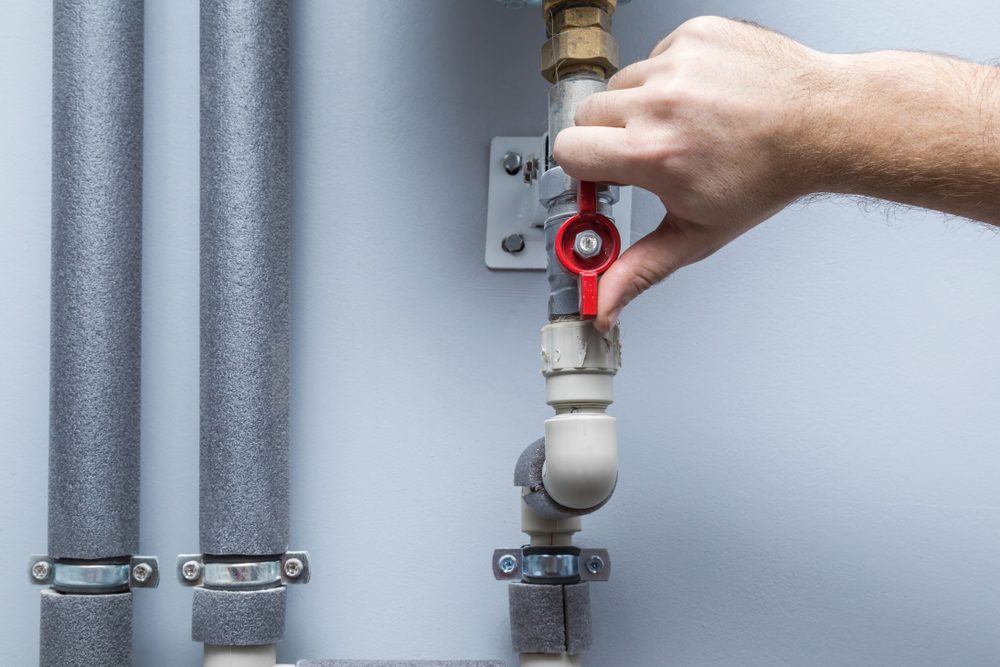
After repairs or renovations, the main shutoff or fixture controls may not be fully reopened. A partially closed water valve reduces delivery and may cause noticeable pressure loss in one area or throughout your entire house.
You can perform a visual check to determine handle orientation and open valves near the meter and the water heater as needed. If you feel any resistance or detect corrosion, it is best to have a licensed technician inspect the affected fixture and perform any necessary repairs.
Aging or Clogged Pipes
In corroded or older galvanized pipes, the interiors can narrow significantly as deposits accumulate. Over time, this reduces the water flow in multiple fixtures, resulting in uneven water pressure throughout the home.
Many properties in older Greenville neighborhoods were built decades ago, increasing the likelihood of pipe degradation. In some cases, targeted replacement may be sufficient to restore water pressure. But if problems persist or affect the entire house, there may be severe blockages in inaccessible sections of the plumbing system. This may require extensive drain cleaning or full repiping from a qualified professional.
Hidden Leaks in Your Plumbing System
Leaks inside walls, beneath slabs, or under ground can divert supply away from fixtures and reduce usable pressure across the property. These hidden losses are often unnoticed until symptoms become persistent.
Warning signs include unexplained increases in monthly bills, damp areas in the yard, or faint sounds of running water when all taps are closed. It’s important to address these issues as soon as possible to prevent structural damage and reduce long-term plumbing issues.
Issues with the City Water Supply or Pressure Regulator
Municipal maintenance, neighborhood usage, or failing pressure‑reducing valves (PRVs) can temporarily lower incoming pressure. This can be especially apparent in homes situated on higher terrain, especially during periods of heavy demand.
If your neighbors report similar problems, the issue may be with the city supply and not your plumbing. If that is the case, your best option is to contact your local municipal services department.
Simple Checks You Can Safely Try Before Calling a Plumber
A few basic checks can help identify obvious restrictions without taking risks or dismantling major components:
- Look for visible leaks around exposed piping, outdoor spigots, and crawl spaces.
- Confirm all accessible shutoff handles are fully open and unobstructed.
- Clean faucet aerators and showerheads to remove mineral buildup.
- Observe whether pressure drops only during peak neighborhood usage.
Never work on or near gas lines or electrical components. Apart from basic visual checks, it is generally best to leave component disassembly to a professional.
When to Call Corley for Low Water Pressure Help
DIY measures can only get you so far. Problems such as persistent whole-home pressure loss, visible corrosion, and recurring leaks are best left to professionals such as Corley Pro.
Corley services most communities in Greenville, including Spartanburg, Greer, Simpsonville, Easley, Anderson, and the surrounding Upstate neighborhoods. We provide comprehensive testing, leak detection, pressure regulator inspection, water heater repair, and repiping services. We can even recommend equipment upgrades when necessary!
Call us at (864) 256-0643 or schedule an appointment online for same- or next-day service. Our courteous technicians are ready and waiting to help you fix your low water pressure concerns in Greenville!
Schedule Online