

Blog
How Does a Whole House Generator Work?
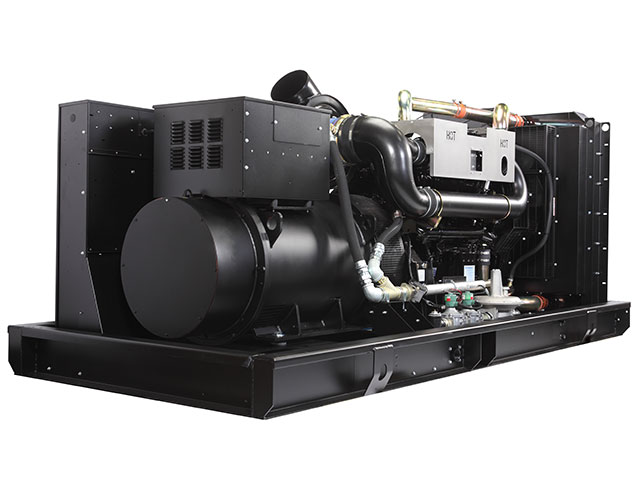
At its core, a generator converts mechanical energy into electrical power through electromagnetic induction. For Greenville, SC homeowners dealing with storm-related outages and grid interruptions, understanding how a generator works is the first step in determining the most suitable backup power options.
In this helpful guide from Corley Pro, we help homeowners compare system types, plan installations, and handle long-term maintenance for backup power solutions. We also let you know when it’s time to call a professional for help.
Whether you need whole-house generator installation in Greenville or are simply wondering “how does a generator work?”, give us a call at (864) 256-0643 for specialized guidance.
How a Generator Runs
A generator operates through a straightforward energy conversion cycle. A fuel or other power source drives the engine, which in turn rotates an alternator. The alternator, in turn, produces electrical energy used throughout the house.
Unlike a battery, which stores electricity for later use, a generator produces electricity only while running. While solar panels rely on sunlight conversion, generators depend on mechanical motion generated by fuel-driven engines.
Main Parts of a Generator
A generator consists of several coordinated components:
- Engine: Produces the mechanical force needed to start the process.
- Alternator: Converts mechanical motion into electrical output.
- Fuel system: Supplies gasoline, propane, or natural gas to the engine.
- Voltage regulator: Keeps electrical output steady during operation.
- Battery: Starts the engine system.
- Control panel: Lets users monitor and manage performance.
Each component plays a specific role in transforming motion into usable electricity. When combined, these parts produce consistent output during operation, whether for home backup or larger commercial generators.
How Electricity Is Made
Electricity is produced when movement occurs inside a magnetic field. Electrical current is generated through electromagnetic induction via the following steps:
- The engine spins a rotor inside the alternator.
- The rotor moves within a fixed stator.
- The magnetic interaction creates a voltage.
- That voltage is directed into the home’s electrical system.
Remember that generators don’t create energy from anything. Instead, they convert mechanical energy into electrical output for practical use.
What Powers a Generator?
Generators can operate using different energy sources depending on design:
- Fuel-based standby systems: Run on natural gas or propane for continuous readiness.
- Portable generators: Use gasoline and are moved as needed.
- Inverter generators: Adjust engine speed based on demand for quieter, more efficient operation.
Fuel type and engine size influence runtime, noise level, and total output. Across the Upstate, reliable backup systems are especially important during severe weather events that frequently occur near Falls Park in the Reedy and surrounding Greenville neighborhoods.
How does a generator hook up to your house?
A generator connects to a home via a transfer switch, which is directly linked to the electrical panel. This switch isolates utility power from generator power to prevent electrical backfeed.
Depending on system size, generators can power selected circuits or the entire home. While portable units don’t require complex installation, whole-home generator installation is best left to trained professionals.
How does a generator work when your power goes out?
When the grid fails, the system detects the outage and either starts automatically or is activated manually. As the engine powers up, the alternator begins producing electricity, which is routed through the home electrical panel. Once utility service returns, the system disconnects the generator and restores grid power.
Types of Generators for Greenville Homeowners
Common generator options include:
- Whole-house standby generators: Deliver full-home coverage during outages.
- Portable generators: Provide temporary electricity for essential needs.
- Inverter generators: Offer quieter operation for sensitive electronics and recreational use.
Whole-house systems are often favored for their long-term reliability. Portable options, on the other hand, are preferred for short disruptions or outdoor use, particularly when camping at the Swamp Rabbit Trail or Paris Mountain State Park.
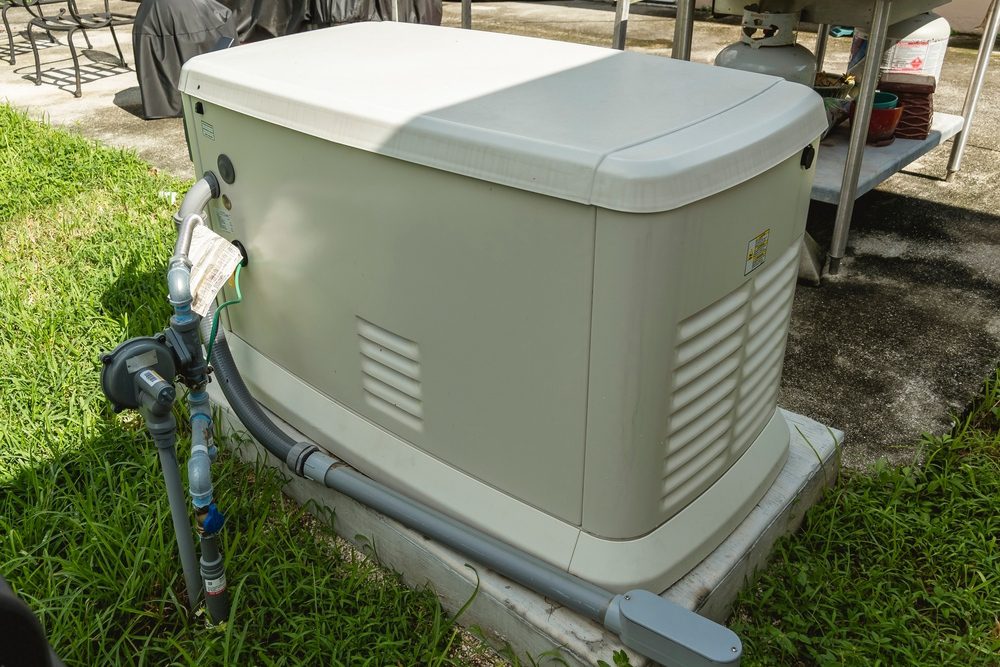
How a Home Standby Generator Works
A standby generator uses an automatic transfer switch that detects when utility power fails. It signals the generator to start, then transfers the electrical load within seconds. When grid power returns, the system shuts down and reconnects to the utility supply.
Keep in mind that professional installation is advisable for safety, load sizing, and code compliance. Corley Pro’s licensed electricians are especially familiar with residential system requirements.
How a Portable Generator Works
Portable generators are manually operated and require physical setup before use. They typically run on gasoline and connect to appliances or circuits using extension cords or a transfer switch.
Portable units offer affordability and flexibility, but they require refueling, produce more noise, and cannot power an entire home. Compared to standby systems, they generally require more hands-on operation.
What type of generator is right for my house?
The right choice for a generator depends on home size, energy demand, and outage frequency. Smaller households may rely on portable systems for occasional use, while larger homes are better served by permanent standby installations.
The demand for whole-house generator installation in Greenville continues to grow as weather patterns shift. Corley Pros Greenville electricians are specifically trained in the sizing and installation requirements for residential load planning and system integration.
When to Call a Generator Professional
Warning signs such as startup failure, uneven power delivery, fuel inconsistencies, or repeated shutdowns often indicate the need for service. For professional generator repair, Simpsonville homeowners can rely on Corley Pro for a full range of installation and troubleshooting services for standby and portable systems.
With technicians fully qualified to perform standby generator installation, Greenville homeowners can rest assured knowing that electrical repairs for both residential and commercial properties are performed strictly to standards. We even offer electrical inspection for residential and commercial generators that power critical business operations.
For a full range of generator services, upstate SC residents, particularly those living near Augusta Road, the East Park Historic District, and Fluor Field at the West End—can rely on us for reliable backup systems. Our licensed electricians can perform routine checks to identify issues before they escalate, reducing the risk of power disruption. Call Corley Pro at (864) 256-0643 to schedule service before the next outage occurs!
Schedule Online