

Blog
What Size Generator Do I Need for My House in Greenville?
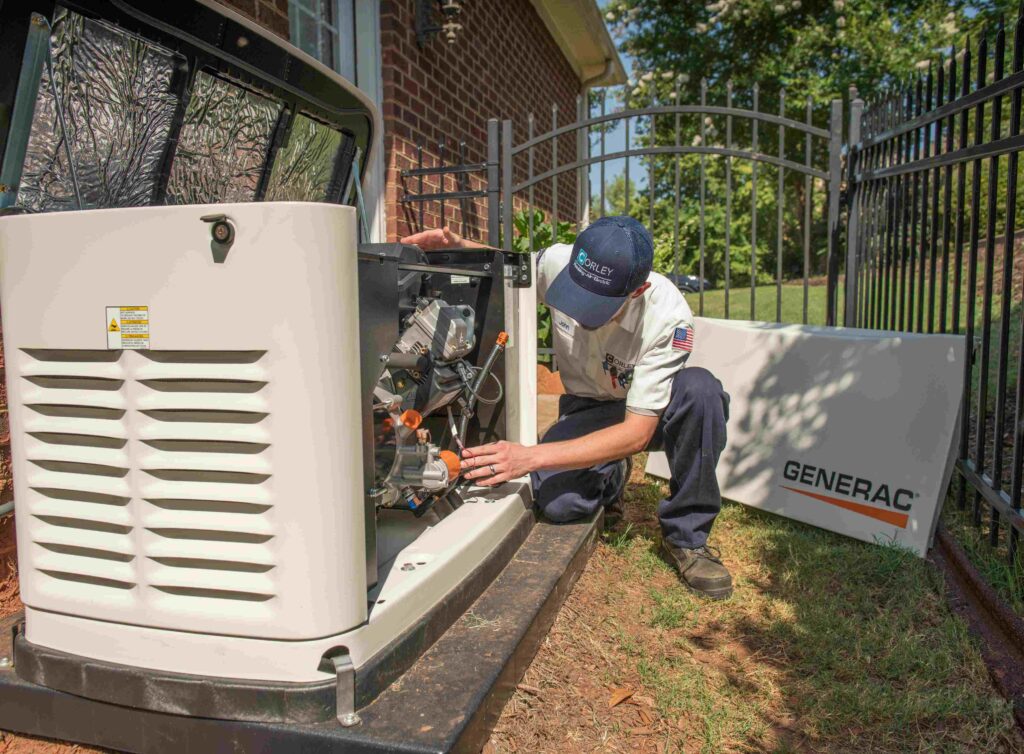
Generator size is one of the most crucial factors in determining how well a home holds up during outages, especially in regions like Greenville, where weather and seasonal demand can shift quickly. Careful planning, rather than estimates, is especially important for choosing appropriate equipment for a household’s needs.
The right generator size depends entirely on what you plan to keep running during an outage, whether that’s a few essentials or full-home backup power. In Greenville, SC, storms, summer heat, and sudden outages can interrupt daily life without warning. Therefore, selecting the correct capacity is crucial.
Instead of guessing or overspending on equipment that doesn’t match your home’s needs, it’s advisable to size your system to your home’s real-world demands. In this simple guide from Corley Pro, we break down what matters the most when choosing your generator size.
What Affects Generator Size?
Weighing the following factors will help you determine the right capacity for your backup power needs:
- Total electrical load: The combined wattage of everything you plan to run at once.
- Appliance type: Motor-driven devices demand more power during startup.
- Fuel source: Different fuels affect runtime and output consistency.
- Backup scope: Whether you want essentials only or near full-home coverage.
- Central air conditioning: Cooling systems often draw the most power.
Remember to consider your HVAC systems carefully when making generator sizing decisions. Compressor startup demand, in particular, is significantly higher than during steady operation.
How To Calculate the Right Size
Finding the proper capacity should begin with the following breakdown of home usage:
- List essential appliances: Identify refrigerators, lighting circuits, sump pumps, and HVAC equipment.
- Check wattage ratings: Record both running capacity and startup requirements.
- Add total load: Combine expected usage to estimate needed output.
- Compare generator ranges: Match your total to a suitable unit size category.
Motor-driven appliances often draw higher starting watts than the continuous draw or running watts. This is especially true with compressor or motor startup cycles. Appliance labels and manufacturer manuals are the most reliable sources of accurate electrical specifications for planning purposes.
Common Generator Size Ranges
Homeowners from Swamp Rabbit Trail to Fluor Field at the West End and even Paris Mountain State Park have a wealth of generator options to choose from based on their backup needs:
- Small backup systems: Handle essentials such as lights, refrigeration, and small electronics.
- Mid-range systems: Power multiple circuits, including some HVAC and kitchen appliances.
- Large or whole-home systems: Designed for broader coverage, often including central air and multiple high-demand appliances.
What Size is Ideal for Greenville, SC Homes?
Greenville and the surrounding Upstate region often experience seasonal storms, high humidity, and summer heat, which can put added pressure on the electrical grid. In areas like Downtown Greenville and the West End, outages can quickly disrupt cooling systems, especially during peak demand periods.
Many homeowners prioritize backup power for refrigeration, lighting, internet access, and, especially, air conditioning to stay comfortable during extended power outages. In contrast, homeowners near Augusta Road and The Eastside generally look for systems that can handle more than basic circuits, given their larger cooling and appliance loads.
When planning a whole-house generator installation, Greenville homeowners should call a professional for a full-load evaluation. Corley Pro’s technicians can size a generator based on the homes and backup goals, eliminating inaccurate guesswork and matching capacity to actual household demand.
What Happens If My Generator is Too Small?
Undersized units frequently struggle to keep up with electrical demand, leading to frequent shutdowns, tripped breakers, or the inability to start larger appliances such as HVAC systems. Over time, this strain can reduce reliability and cause costly breakdowns. That’s why it’s so important to reassess your home’s load requirements and upgrade your system capacity as needed.
Standby Vs. Portable Generator
Portable units are a flexible, lower-cost option that may be suitable for homes with modest needs, but they typically power only a limited number of devices at a time. Furthermore, they require manual setup and refueling, which can be inconvenient during extended outages.
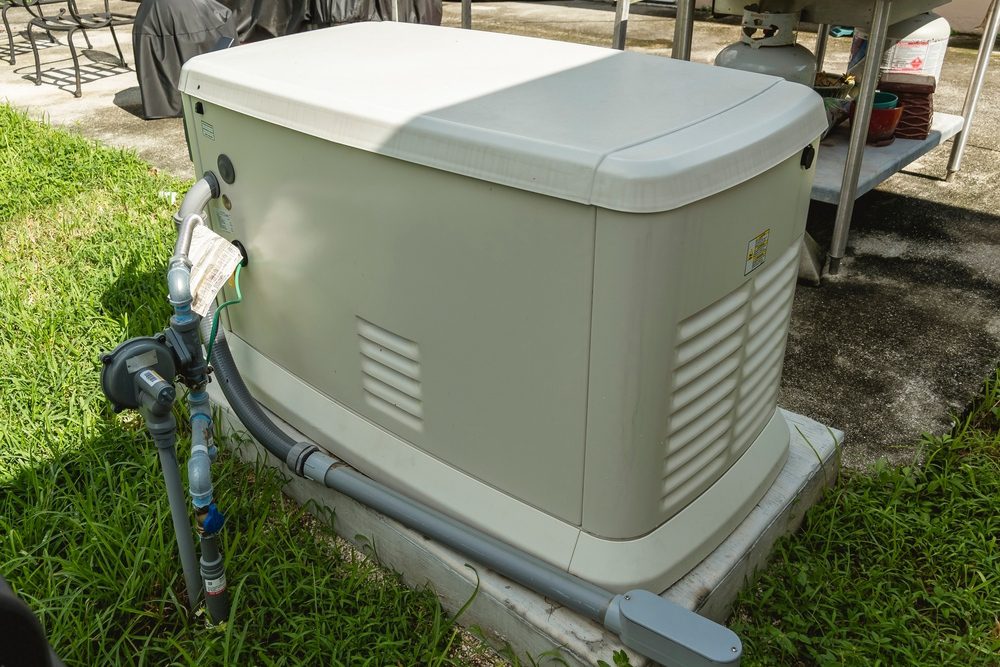
On the other hand, a standby system connects directly to the home’s electrical panel and activates automatically when power drops. These systems can handle much higher loads and are commonly used for more complete coverage, including cooling systems and kitchen appliances.
Choosing between systems goes beyond wattage alone. Runtime expectations, fuel availability, and convenience play major roles in determining the right fit for each household. When planning a whole-home generator installation, determine whether you need a basic backup system or if you want full household comfort during outages.
When To Call a Professional for a Generator Installation
If there is uncertainty about electrical demand or backup requirements, professional input can prevent costly missteps. Homes with central air, multiple large appliances, or complex wiring layouts often require more precise planning. Consider calling a professional in the following scenarios:
- Load uncertainty: When total appliance demand is difficult to estimate.
- HVAC backup needs: When air conditioning must remain operational during outages.
- System selection help: When deciding between portable and standby units.
- Home upgrades: When planning a whole-house generator installation in Greenville, consider replacing your existing setup.
Remember that sizing mistakes can lead to overloads, unexpected shutdowns, or overspending on unnecessary capacity. That’s why you need to call licensed electricians for accurate load calculations and system planning.
Corley Pro offers a wide range of electrical inspection services and, if necessary, electrical repairs. We are also the local authority for standby generator installation that Greenville homeowners have relied on for decades. And if you need a whole-home generator installation for your new home, our experienced Greenville electricians can guide you through the available options.
If you’re still wondering “how does a generator work?”, we’re happy to help! The leading name in generator services in upstate SC, Corley Pro also specializes in a full range of generator repair services Simpsonville homeowners can depend on to restore full system functionality. We service most major brands of residential and commercial generators, so don’t hesitate to call us at (864) 256-0643 to learn more about our services.
Schedule Online