

Blog
How to Hook Up a Generator to the House: A DIY Guide
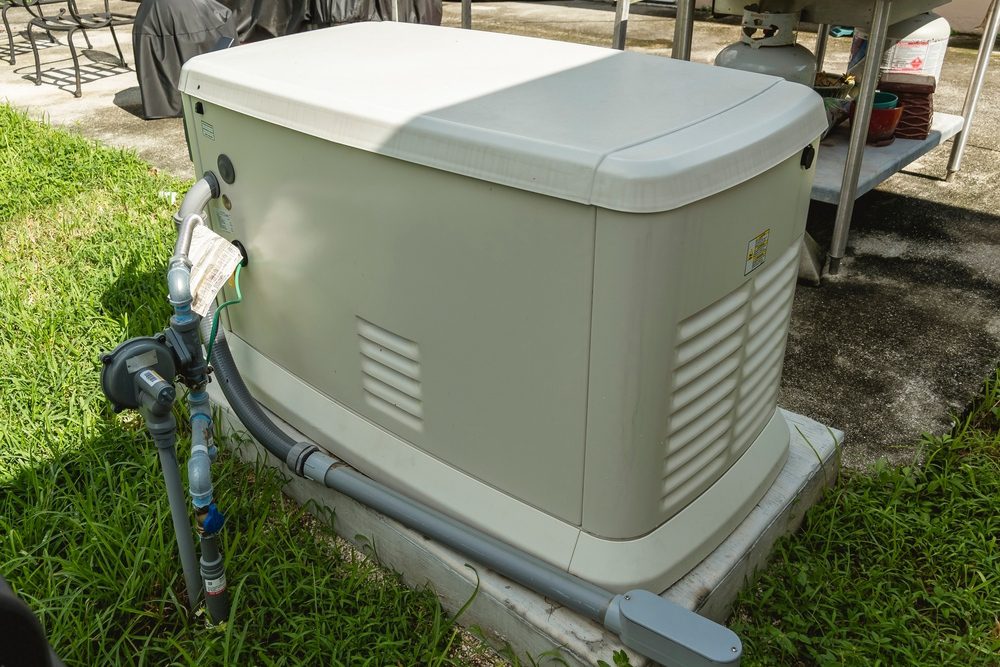
Portable and standby generators are essential backup power solutions for homeowners across Greenville and nearby communities, where storms frequently interrupt the grid. Whether you rely on portable units or permanent systems, understanding safe connection methods is critical. This guide walks through approved hook-up options, key safety rules, and when to call for generator services.
Homes in Upstate South Carolina often experience regular outages from thunderstorms, hurricane remnants, and occasional winter weather. Affected areas include Downtown Greenville, West End, North Main, East Park Historic District, Augusta Road, and homes around Falls Park on the Reedy, all of which require a properly installed generator.
We encourage residents of these areas to call Corley Pro at (864) 256-0643 to prepare their homes for the next outage.
Critical Safety Warning: Never Backfeed Your Home
The most important rule is never plug a generator directly into a wall outlet. This dangerous practice, known as backfeeding, bypasses safety systems and puts lives at risk. South Carolina electrical codes strictly prohibit backfeeding. Violations can result in fines, failed inspections, or even service disconnection.
Backfeeding pushes electricity backward through your home’s wiring and into the utility grid. This can electrocute line workers repairing outages or harm neighbors connected to the same lines. It can also spark fires, damage appliances, and void insurance coverage. Only a professionally installed transfer switch or interlock system guarantees a safe generator hook-up to house wiring.
Three Safe Methods to Hook Up a Generator to Your House
There are three approved ways to connect a generator safely: extension cords, a manual transfer switch, or a generator interlock kit. Aside from extension cords, all options require professional installation to meet safety and code standards.
Extension cords are the simplest approach. They allow you to plug appliances directly into the generator without interacting with your home’s electrical system.
A manual transfer switch is a separate panel installed next to your main breaker. It allows you to route generator power to selected circuits such as your refrigerator, lighting, or well pump. Installation typically includes a portable generator power inlet box mounted outside for safe connection.
An interlock kit attaches directly to your breaker panel. It prevents the main breaker and generator breaker from operating at the same time. With a generator interlock kit, Greenville SC residents can use existing circuits without installing a separate panel.
Method 1: Using Heavy-Duty Extension Cords (No Electrical Work Required)
Extension cords provide the easiest setup. Place the generator outdoors at least 20 to 25 feet from your home, with exhaust directed away from doors and windows to reduce carbon monoxide risk.
Remember to use only heavy-duty, outdoor-rated cords that match the wattage of your appliances. Always check labels to confirm compatibility and avoid overloading the following:
- Refrigerator
- Window AC units
- Lamps
- Phone chargers
- Small electronics
Avoid running cords through windows or doors where they can become damaged. Always track total load to maintain a working generator without overloading it.
Method 2: Installing a Manual Transfer Switch (Professional Installation Required)
A manual transfer switch provides a structured way to power essential circuits during an outage. It is installed next to your main panel and gives you direct control over which systems receive power.
During installation, a qualified technician shuts off the main breaker, mounts the switch, connects selected circuits, and installs an exterior inlet box. Corley Pro’s licensed electricians in Greenville ensure that the process meets local requirements.
Most transfer switches support 6 to 10 circuits, allowing you to prioritize essentials such as refrigeration, lighting, and heating systems.
During an outage, you start the generator, connect it to the inlet box, and flip the switch from utility power to generator mode. Circuits are activated gradually to manage load. We offer this setup as part of our standby generator installation in Greenville, providing homeowners with a totally safe and reliable option.
Method 3: Installing a Generator Interlock Kit (Professional Installation Required)
An interlock kit is mounted directly on your breaker panel and mechanically prevents unsafe power flow. It ensures the main breaker and generator breaker cannot run simultaneously.
Installation involves adding a dedicated generator breaker, mounting the interlock, and installing an outdoor inlet box. A flexible approach, this allows you to power different circuits as needed, depending on your generator size.
To operate, you start the generator, connect it to the inlet box, turn off the main breaker, and engage the interlock before activating the generator breaker. This method balances cost and functionality, although it still requires proper permits and expert generator transfer switch installation.
Choosing the Right Generator for Your Home’s Needs
Selecting the right generator begins with understanding your power requirements. A unit that is too small will struggle, while an oversized system adds unnecessary cost.
Calculate your load by adding appliance wattages. A refrigerator may require around 700 watts, a well pump about 1,000 watts, a furnace near 800 watts, and lighting roughly 100 watts per circuit. Portable units usually range from 3,000 to 9,000 watts, while systems used in whole-house generator installation in Greenville can exceed 20,000 watts.
Starting wattage is another factor. Motors require extra power during startup, so your generator must handle both surge and running loads. This is especially crucial for pumps and compressors linked to standby generator installation systems.
Corley Pro’s technicians can help Greenville and Simpsonville homeowners calculate their load and recommend the right generator size for their needs. Our professional guidance helps you determine the correct sizing for your home and usage patterns.
Generator Placement and Safety Best Practices
Generators must always operate outdoors at least 20 to 25 feet away from structures. This helps prevent carbon monoxide from entering the home.
Place the unit on a stable, dry surface and use a canopy designed for generators to protect it from rain. Never run a generator inside a garage, even with doors open. We advise installing a carbon monoxide detector as an added safety measure.
Keep generators dry and avoid operating them in wet conditions. Routine upkeep such as testing the system monthly, changing oil as recommended, and maintaining fresh fuel extend the life of your system and improve performance.
When to Call a Professional Electrician or HVAC Contractor
Some situations require professional generator services. Simpsonville homeowners can call us for:
- Installing transfer switches or interlock kits
- Determining essential circuit load
- Handling permits and inspections
- Integrating with a commercial generator installation or a whole-home system
Remember: improper setup can lead to fire hazards, equipment failure, or serious injury. Our professional installation minimizes risk and aligns with electrical codes.
Why Use Corley for Your Generator Installation Needs
For whole house generator installation, Upstate SC can rely on Corley Pro’s excellent track record of service in Greenville, Simpsonville, and surrounding areas. We’ve been servicing these communities for decades, offering reliable electrical and HVAC expertise.
Our technicians handle everything from transfer switches to advanced generator systems, delivering safe and code-compliant solutions for homeowners investing in backup power. With local experience near Timmons, Unity Park, and along the Swamp Rabbit Trail, we understand the challenges of Upstate storm seasons and prepare homes for dependable operation.
Call Corley Pro at (864) 256-0643 to schedule professional installation and protect your home with dependable generator services.
Schedule Online